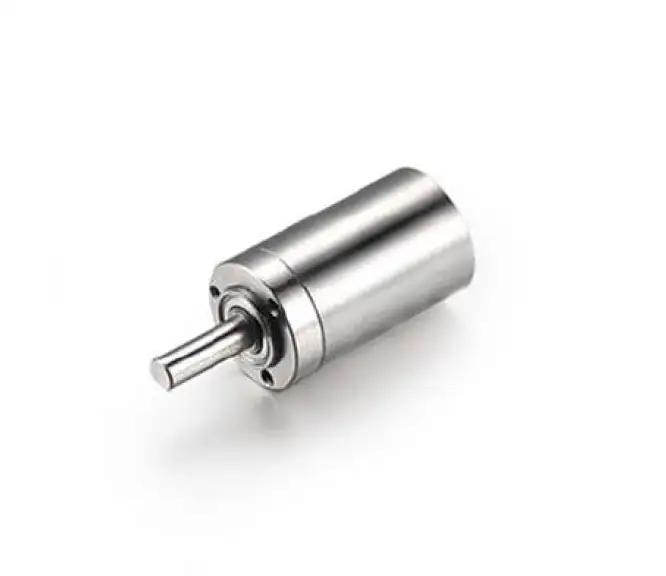
Transforming Healthcare Through Precision Motors
The medical device industry is experiencing a revolution driven by increasingly sophisticated micro motor technology. From minimally invasive surgical instruments to advanced diagnostic equipment, precision motors are enabling breakthrough innovations that improve patient outcomes and healthcare delivery.
Advanced medical applications showcasing precision motor technology
Medical Device Requirements
Medical applications demand exceptional performance characteristics:
Critical Performance Factors
- Precision: Sub-micron positioning accuracy
- Reliability: Zero-failure tolerance in critical applications
- Biocompatibility: Materials safe for human contact
- Sterilization Resistance: Withstand repeated sterilization cycles
- Quiet Operation: Minimal noise in sensitive environments
- Compact Size: Fit within miniaturized device constraints
Surgical Applications
Robotic Surgery Systems
Modern surgical robots rely on precision motors for:
- Instrument articulation and positioning
- Camera movement and focus control
- Tremor filtering and motion scaling
- Force feedback implementation
Medical robot demonstrating precision motor control
Minimally Invasive Instruments
Coreless motors enable advanced surgical tools:
- Laparoscopic cutting instruments
- Endoscopic positioning systems
- Arthroscopic shavers and burrs
- Microsurgical manipulators
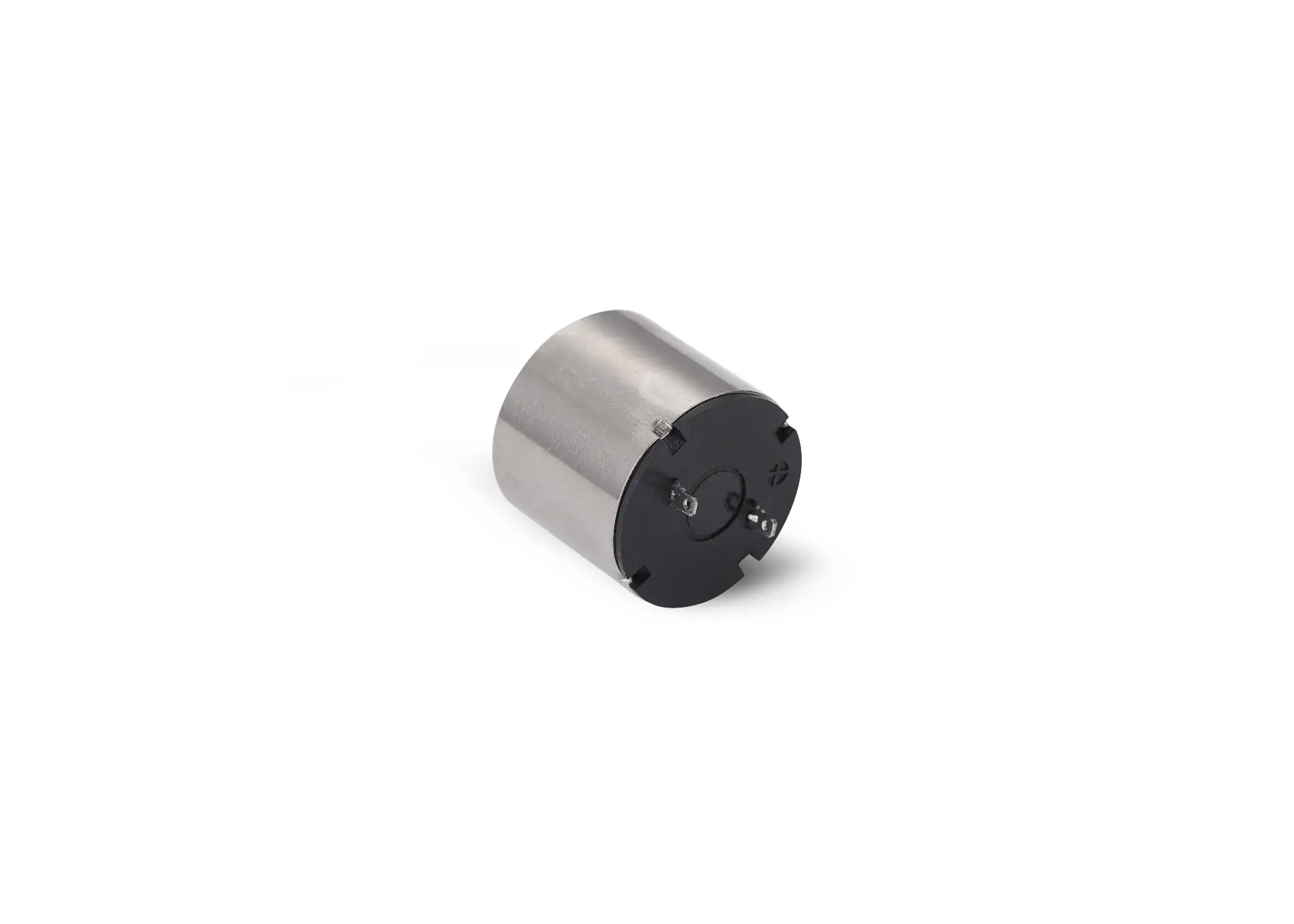
Ultra-precise motor for medical applications
Diagnostic Equipment
Imaging Systems
Advanced imaging requires precise motor control:
- CT Scanners: Gantry rotation and patient positioning
- MRI Systems: Gradient coil positioning
- X-Ray Equipment: Tube positioning and collimator control
- Ultrasound: Probe positioning and focusing
Laboratory Automation
Automated lab systems depend on reliable motors:
- Sample handling and pipetting
- Centrifuge operation
- Microscope stage positioning
- Reagent dispensing systems
Therapeutic Applications
Drug Delivery Systems
Precision dosing requires accurate motor control:
- Infusion Pumps: Precise flow rate control
- Insulin Delivery: Automated glucose management
- Implantable Pumps: Long-term medication delivery
- Inhalers: Controlled aerosol generation
Rehabilitation Devices
Assistive technologies leverage motor innovation:
- Prosthetic limb actuation
- Exoskeleton joint control
- Physical therapy equipment
- Mobility assistance devices
Future Trends
Smart Medical Motors
Next-generation motors will feature:
- Integrated Sensors: Built-in position and force feedback
- Wireless Connectivity: IoT integration for remote monitoring
- AI Integration: Machine learning for adaptive control
- Predictive Maintenance: Early failure detection
Conclusion
Micro motors are driving unprecedented innovation in medical device technology, enabling treatments and diagnostic capabilities that were impossible just decades ago. The demanding requirements of medical applications continue to push motor technology to new levels of precision, reliability, and miniaturization.
As healthcare continues to evolve toward more personalized, minimally invasive, and technology-driven solutions, the role of precision motors will only grow in importance. The future of medical device innovation depends on continued advances in motor technology that can meet the unique challenges of healthcare applications.
At Donghui Motors, we understand the critical nature of medical applications and are committed to delivering motor solutions that meet the highest standards of quality, reliability, and performance. Our expertise in precision motor technology positions us to support the next generation of medical device innovations.